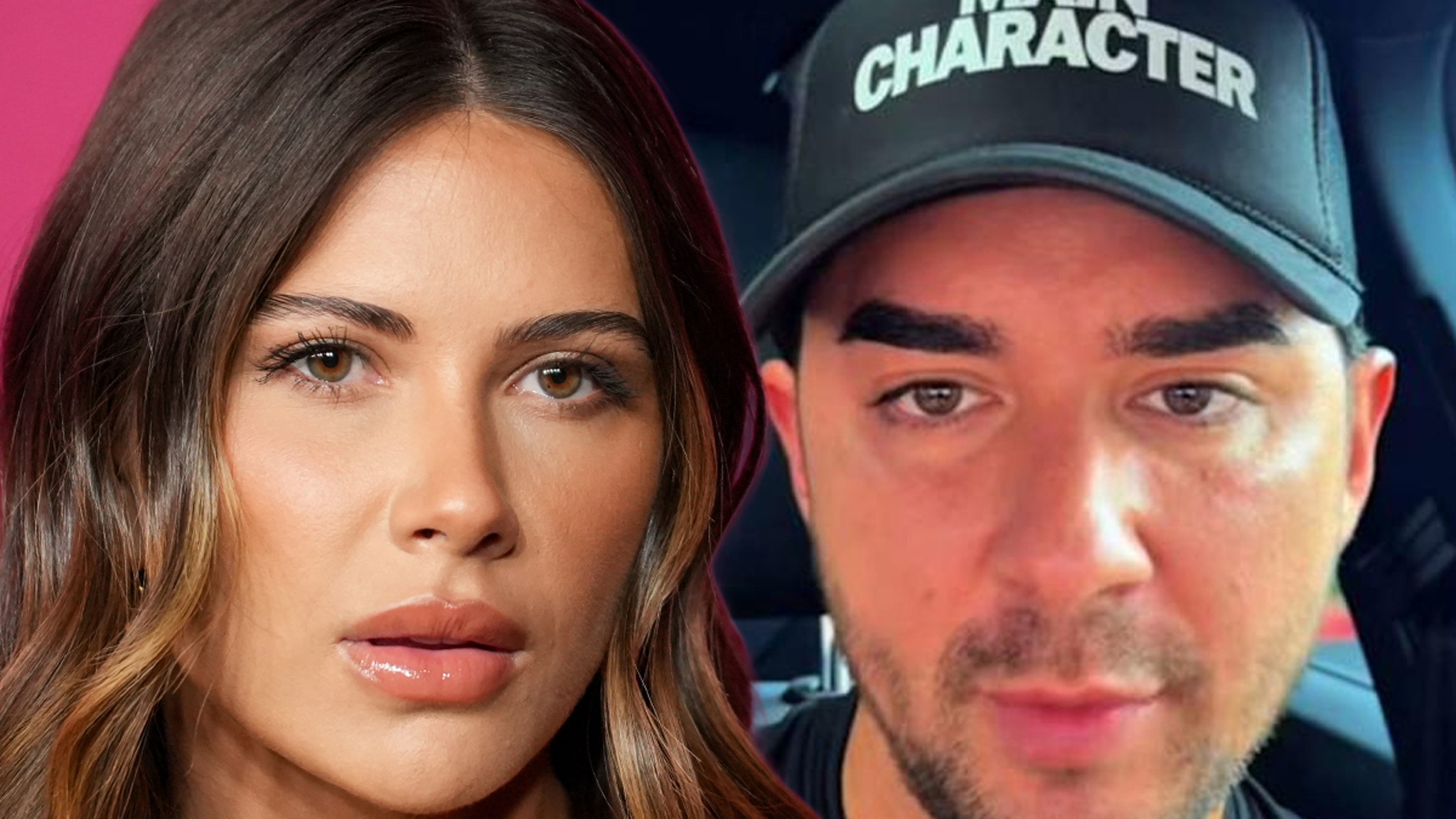
Marciano Alleges Demi Fabricated 'Predator' Story for TV: Inside the Explosive Demi Marciano Lawsuit
The glittering facade of reality television often conceals a complex web of personal drama, strategic storytelling, and, sometimes, heated legal battles. Few cases exemplify this better than the ongoing dispute between Demi Engemann, a star of "The Secret Lives of Mormon Wives" (TSLOMW), and Marciano Brunette, a former "Vanderpump Villa" cast member. At the heart of this contentious Demi Engemann lawsuit is a shocking accusation: Marciano claims Demi fabricated a "sexual predator" story for television, leading to a high-stakes defamation battle that continues to unfold in court.
The Genesis of the "Predator" Allegation
The drama began during a crossover event between "The Secret Lives of Mormon Wives" and "Vanderpump Villa." Demi Engemann visited Castello Rosato with her TSLOMW co-stars, where she interacted with Marciano Brunette. While initial flirtations were exchanged, the events that transpired next became the subject of fierce disagreement and, ultimately, a significant legal challenge. Demi later publicly accused Marciano of "unwanted touch" and escalated these claims by labeling him a "sexual predator" on her show. These accusations, aired to a national audience, painted Marciano in a severely negative light, directly impacting his public image and professional standing.
For Marciano, these televised allegations were not just damaging; he contends they were entirely false and strategically manufactured for ratings. He swiftly responded by filing a defamation lawsuit against Demi Engemann, asserting that she knowingly and maliciously misrepresented their interaction. This legal action forms the core of what has become widely known as the Demi Marciano Lawsuit, a case that scrutinizes the thin line between reality TV narrative and actionable slander.
Marciano's Defamation Counter-Attack and the "Fabrication" Claim
Marciano Brunette's legal filing argues that Demi Engemann "reframed the obviously consensual interaction as one of sexual misconduct and then as sexual assault." This allegation suggests a deliberate distortion of events, turning an innocent or consensual moment into a sensational accusation of sexual predation. Marciano maintains that Demi's claims were not only untrue but were intended to generate controversy and boost viewership for TSLOMW.
The stakes in this defamation suit are incredibly high. For Marciano, his reputation, livelihood, and personal brand are on the line. Being publicly branded a "sexual predator" carries severe social and professional consequences, irrespective of the truth of the allegations. His lawsuit seeks to clear his name and hold Demi accountable for what he asserts are baseless and damaging statements made on a public platform. The unfolding details of the Demi Marciano Lawsuit are a stark reminder of how quickly public perception can be manipulated, and the arduous process of seeking vindication.
Demi's Defense: Hypocrisy, First Amendment, and Media Strategy
In response to Marciano's defamation suit, Demi Engemann's legal team filed a motion to dismiss, famously labeling Marciano's suit "a lesson in hypocrisy." They argued that Marciano himself has, in the past, openly embraced and even bragged about his "sexual prowess" and past workplace conduct. Specifically, Demi's lawyers highlighted Marciano's televised boast to a national audience that a former employer had to implement a special policy to prevent him from "preying on female co-workers." This historical admission, they contend, undermines Marciano's current claims of damaged reputation, portraying him as someone who has previously acknowledged and even leveraged a similar public image.
Furthermore, Demi's defense posits that Marciano's lawsuit is not a genuine pursuit of justice but rather a retaliatory measure. They claim he filed the suit "solely to gain media attention" and to "punish" Demi for "exercising her First Amendment right to speak out concerning [Marciano’s] misconduct." This angle shifts the narrative, suggesting Marciano is exploiting the legal system for publicity while attempting to silence Demi's free speech. For more insights into this specific defense, consider reading Demi Engemann Slams Marciano's Lawsuit as 'Hypocrisy'.
The Reality TV Machine: Fact, Fiction, and Producer Influence
Perhaps one of the most compelling aspects of the Demi Marciano Lawsuit is the alleged role of reality TV producers and the inherent pressure to create "salacious content." Marciano's original court filing suggests that Demi was well aware of the producers' "appetite for salacious content and was happy to fabricate stories to satisfy it." This claim is bolstered by a previous incident where another TSLOMW cast member, Dakota Mortensen, reportedly proposed a storyline to make the show less "boring." While producers allegedly passed on Mortensen's specific idea, Marciano argues this demonstrates Demi's understanding of the environment and her willingness to concoct drama.
The reference context also reveals that Jeff Jenkins Productions, the company behind TSLOMW, was named in Marciano's suit. He alleged they had "reason to believe" Demi's claims were false but aired them anyway. This raises serious ethical questions about the responsibility of production companies in verifying accusations, especially those of a sensitive and potentially defamatory nature. Reality television contracts often include clauses where "Artist acknowledges that Artist is voluntarily participating in the Series and related activities with full knowledge, appreciation and understanding of the personal risks involved, and hereby agrees to accept any and all risks of participating in the Series." These clauses typically prepare participants for the revelation of "personal, private, surprising, embarrassing and/or unfavorable nature" information that "may expose Artist, Artist’s friends, co-workers and/or family to public ridicule, humiliation, or condemnation." However, whether such a clause indemnifies a production company for airing allegedly fabricated and defamatory content remains a complex legal question.
The Demi Marciano Lawsuit highlights a critical dilemma in reality TV: where does authentic drama end and manipulative fiction begin? The quest for ratings and viral moments can push the boundaries of truth, sometimes at the expense of individuals' reputations. This case serves as a stark reminder for both participants and viewers to critically examine the narratives presented on screen.
Broader Implications of the Demi Marciano Lawsuit
The legal battle between Demi Engemann and Marciano Brunette transcends individual grievances, touching upon broader themes relevant to media, ethics, and the digital age. This case illuminates the precarious nature of public accusations, particularly in the realm of reality television where storylines can be crafted and manipulated for entertainment value. It forces a critical examination of the responsibilities of both those who make allegations and the platforms that broadcast them.
For individuals navigating public life, especially reality TV stars, understanding the nuanced implications of defamation law and freedom of speech is paramount. While the First Amendment protects expression, it does not shield individuals from the consequences of knowingly false and damaging statements. Conversely, those accused of misconduct must contend with the immediate and often irreversible impact on their reputation, even as they pursue legal recourse.
Moreover, the Demi Marciano Lawsuit underscores the growing public skepticism towards reality TV narratives. As viewers become more aware of the production processes and the pressure for dramatic content, the authenticity of on-screen events comes under greater scrutiny. This case could set precedents for how defamation is addressed in reality TV contexts, potentially influencing future participant contracts and production ethics.
Conclusion
The Demi Marciano Lawsuit is far more than a personal feud between two reality TV personalities; it's a critical legal and ethical battleground exploring the intersection of celebrity, media fabrication, and reputation. As Marciano Brunette fights to clear his name against Demi Engemann's "predator" claims, and Demi's team counters with accusations of hypocrisy and free speech defense, the case continues to unfold with significant implications for all involved. The outcome will undoubtedly shape discussions around accountability in reality television, the boundaries of free speech, and the enduring power of a carefully constructed narrative.